

Don’t Ignore Persistent Jaw Pain or Teeth Grinding
Grinding or clenching your teeth can be easy to overlook, especially if it happens while you’re sleeping or during periods of stress. You may not realize you’re doing it until you notice jaw soreness, headaches, tooth sensitivity, or damage to your teeth.
Occasional jaw tension doesn’t necessarily mean you have a serious dental problem. However, persistent grinding, clenching, or jaw pain can place significant stress on your teeth and the muscles and joints involved in chewing.
At Whidbey Dental Associates, we can evaluate your teeth, bite, and symptoms to help determine whether dental treatment may be appropriate. If you’re experiencing ongoing jaw pain, tooth wear, sensitivity, or other symptoms associated with grinding or clenching, call our Oak Harbor dental team at (360) 675-6404 to schedule an appointment.
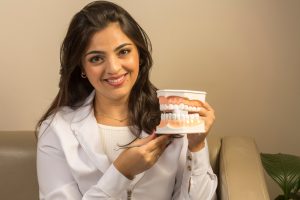
What Is Teeth Grinding and Clenching?
Teeth grinding, also called bruxism, occurs when you grind or repeatedly bring your teeth together with force. Clenching involves holding your teeth tightly together, often without moving them back and forth.
Both can happen while you’re awake or asleep. Some people are aware that they clench or grind. Others may only notice the effects afterward.
Signs can include:
- Waking up with a sore or tired jaw
- Frequent headaches, especially in the morning
- Tooth sensitivity
- Chipped, cracked, or worn teeth
- Flattened or shortened tooth surfaces
- Jaw tenderness
- Facial muscle soreness
- Pain when chewing
- Clicking or other jaw-joint symptoms
- Indentations along the sides of the tongue
- Increased awareness of clenching during the day
Why Do People Grind or Clench Their Teeth?
There isn’t always one single cause of grinding or clenching. These habits can be associated with several factors, including stress, certain sleep-related issues, medications, and other individual circumstances. Some people clench their teeth during the day without realizing it, particularly when concentrating or dealing with tension.
Nighttime grinding can be particularly difficult to recognize because you’re not consciously aware of the habit while you’re asleep. Your dentist can look for physical signs of excessive forces on your teeth and discuss your symptoms and medical and dental history to determine whether further evaluation or treatment may be appropriate.
How Can Grinding and Clenching Affect Your Teeth?
Tooth Wear
Repeated contact between the teeth can gradually wear down enamel. Significant wear may change the shape and appearance of your teeth and can make them more vulnerable to sensitivity or damage.
Cracked or Chipped Teeth
Excessive forces can contribute to chips, cracks, or fractures, particularly in teeth that have already been weakened by large fillings, decay, or previous dental treatment.
Tooth Sensitivity
If grinding or clenching contributes to enamel wear or other changes to the teeth, you may experience increased sensitivity to hot, cold, or sweet foods and drinks.
Jaw Muscle Soreness
Constantly contracting the muscles used for chewing can leave your jaw feeling tired, tight, or sore.
Damage to Dental Restorations
Grinding forces can also place additional stress on crowns, fillings, bridges, and other dental restorations.
Addressing the underlying problem and protecting your teeth can help reduce the risk of additional damage.
When Should You See a Dentist for Jaw Pain?
Not every episode of jaw discomfort requires an immediate dental appointment. However, you should consider contacting your dentist if your symptoms are persistent, recurring, worsening, or affecting your ability to eat or function normally.
Make an appointment if you experience:
- Jaw pain or tenderness that doesn’t go away
- Frequent morning jaw soreness
- Regular headaches that may be related to clenching
- New or worsening tooth sensitivity
- Teeth that appear increasingly worn or flattened
- Chipped, cracked, or broken teeth
- Pain when chewing
- Difficulty opening or closing your mouth
- Changes in how your teeth come together
- Persistent jaw clicking, popping, or other joint symptoms
- Signs that you may be grinding or clenching your teeth
What Happens During a Dental Evaluation?
When you visit Whidbey Dental Associates for grinding, clenching, or jaw pain, your dentist can examine your teeth and mouth for signs of excessive forces or damage.
Your evaluation may include:
- Reviewing your symptoms and dental history
- Examining your teeth for wear, cracks, chips, or other changes
- Checking for tooth sensitivity
- Evaluating your bite
- Examining the jaw and surrounding muscles
- Discussing when your symptoms occur
- Determining whether additional evaluation may be appropriate
What Can You Do About Daytime Clenching?
Some people clench their teeth while they’re awake, often without realizing it.
If you notice yourself clenching during the day, becoming more aware of the habit can be an important first step. Pay attention to situations when you tend to tighten your jaw, such as while working, concentrating, driving, or dealing with stress.
You can also periodically check whether your jaw muscles are tense and whether your teeth are being held together when you’re not eating or swallowing.
If daytime clenching is causing pain or contributing to tooth damage, talk with your dentist about your symptoms.
Is Jaw Pain Always Caused by Teeth Grinding?
No. Jaw pain can have many possible causes. Dental problems, muscle tension, injuries, jaw-joint disorders, tooth infections, and other conditions can cause pain in or around the jaw.
That’s why it’s important not to assume that grinding is responsible for every type of jaw discomfort. A dental evaluation can help identify signs that point toward a dental cause and determine whether you may need additional care or evaluation elsewhere.
What If My Jaw Hurts When I Chew?
Pain when chewing is worth discussing with a dentist, particularly if it persists or is accompanied by other symptoms. Depending on the cause, chewing-related pain may be associated with a damaged tooth, tooth infection, excessive grinding forces, irritated jaw muscles, or problems involving the jaw joint. If chewing becomes difficult or painful, schedule an evaluation rather than continuing to ignore the symptoms.
Dental Care for Patients With Grinding and Clenching
At Whidbey Dental Associates, we provide comprehensive dental care in our Oak Harbor office. Depending on your needs, treatment may include:
- Dental examinations and cleanings
- Evaluation of worn or damaged teeth
- Tooth-colored dental fillings
- Dental crowns
- Restorative dentistry
- Treatment for cracked or damaged teeth
- Custom dental appliances when appropriate
- Same-day CEREC crowns for eligible patients
- Emergency dental care

Frequently Asked Questions
How do I know if I’m grinding my teeth at night?
You may not know that you’re grinding while asleep. Morning jaw soreness, headaches, tooth sensitivity, worn or flattened teeth, and damaged restorations can be potential signs. A dental examination can help identify evidence of nighttime grinding.
Can teeth grinding cause jaw pain?
Yes. Repeated clenching and grinding can place stress on the muscles and structures involved in chewing and may contribute to jaw soreness or discomfort.
Can grinding damage my teeth?
Yes. Repeated excessive forces can contribute to tooth wear, chips, cracks, sensitivity, and damage to some dental restorations.
Should I see a dentist for jaw pain?
If jaw pain is persistent, recurring, worsening, or affecting chewing or normal activities, it’s a good idea to have it evaluated. Jaw pain can have several possible causes, so an examination can help determine what may be contributing to your symptoms.
Don’t Ignore Grinding, Clenching, or Jaw Pain
Your teeth are designed to handle normal chewing, but repeated excessive pressure can take a toll over time. If you’ve noticed worn teeth, morning jaw soreness, tooth sensitivity, frequent clenching, or unexplained jaw pain, Whidbey Dental Associates can evaluate your symptoms and discuss your options.
Early evaluation may help identify problems before they require more extensive treatment. Call Whidbey Dental Associates at (360) 675-6404 to schedule an appointment at 794 East Whidbey Ave., Oak Harbor, WA 98277. We proudly serve patients from Oak Harbor, Coupeville, Langley, and throughout Whidbey Island.